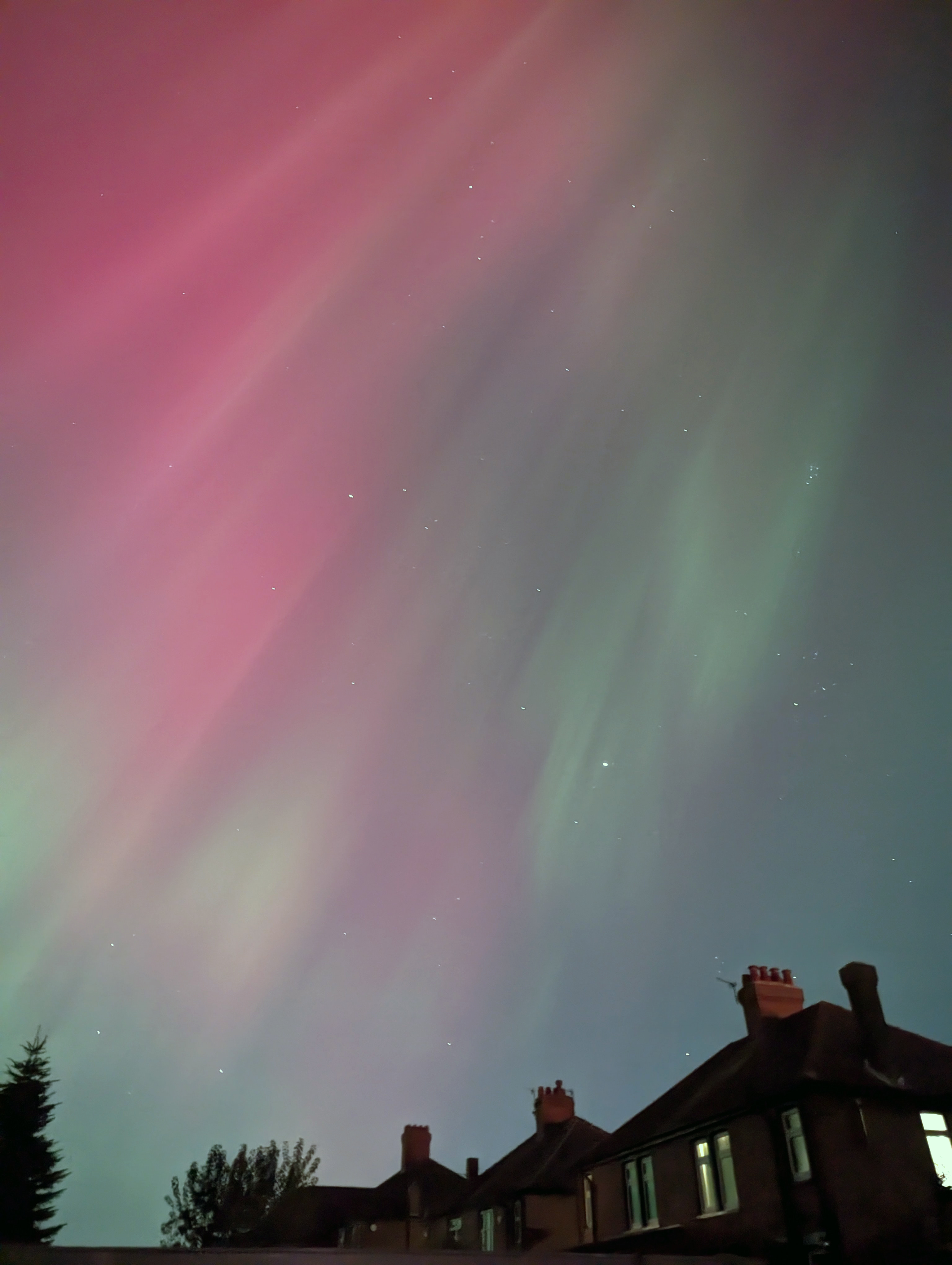
- Watch out for more Northern Lights displays. The sun is still very active in its 11 year solar cycle which, cutting through the jargon, means the aurora is much more likely. Enjoy this image from an industrial area taken with a Pixel 6 Pro
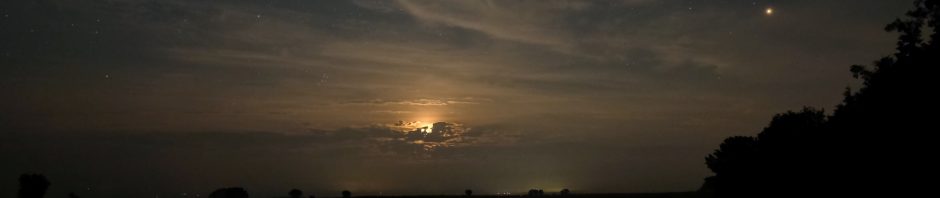
- Autumn is perfect for Milky Way viewing, as the river of light is directly overhead late evening. Choose a moonless night and somewhere reasonably dark to see this wonder – it’s the side on view we get of our own galaxy.
- Saturn is relatively closes to the Earth during Autumn (still over 800 million miles away) Visible most of the night, it looks like a reasonably bright yellow star in the south. This is the highest that the planet has appeared in UK skies for 14 years – that’s good because the higher an object is above the horizon the sharper the view. The rings are not that easy to see at the moment being nearly edge on. They will open out more in the next few years restoring the planet’s beauty.
- The remaining two big meteor showers of the year are the Orionids (21/22 October) and Geminids (13/14 December). The last one is the best of the year. The moon will be absent for both which is ideal. The same basic rules of meteor spotting apply – use your naked eye and be patient. Additionally, with no interference from the moon, the darker your location the more shooting stars you will see. The Leonids peak on 17/18 November, but they are going through a lean spell.
What to look out for in 2025
Posted in astronomy, outreach, science
Tagged astro-tourism, astronomy, comet, dark skies, moon, planets, star party, stargazing, stars
1 Comment
 Dark Skies UK